Vaccine 1

Hawaii’s COVID-19 Vaccination Plan; Who, Where, When

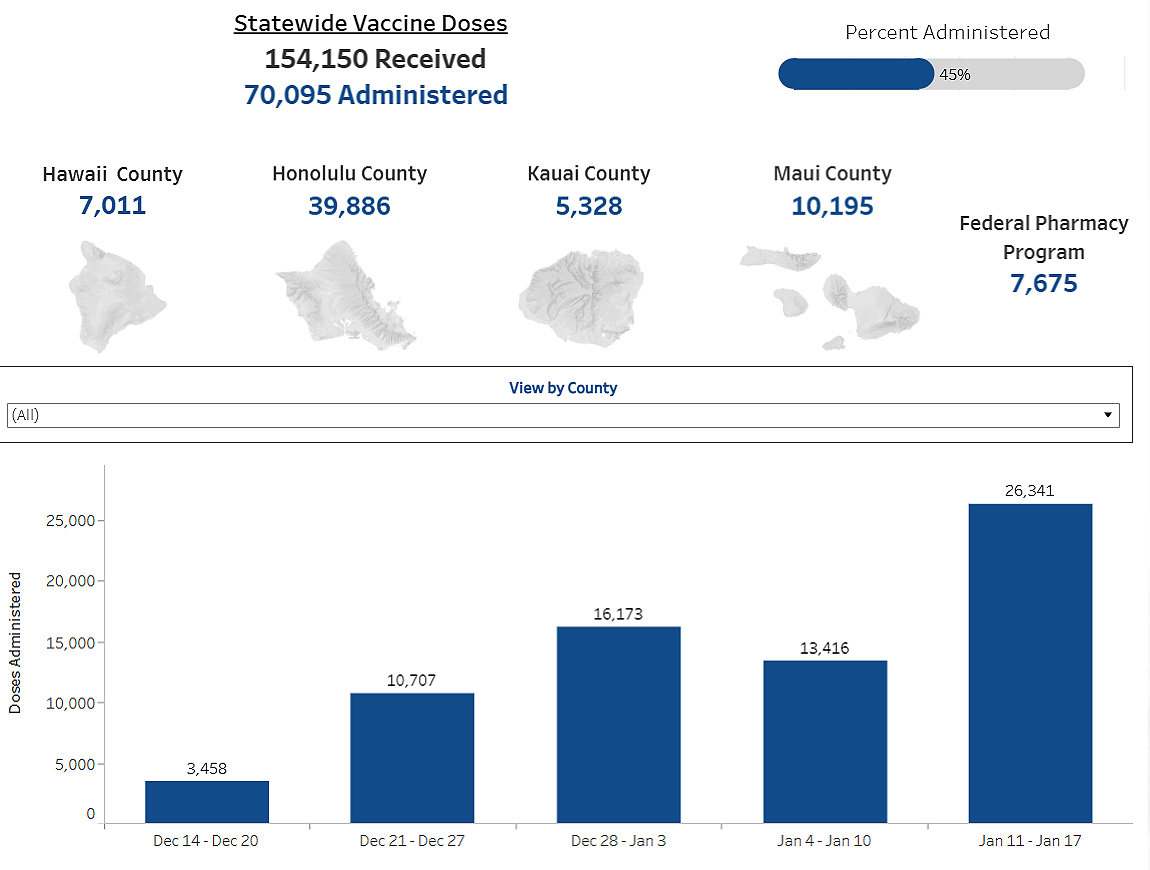
Locally, more than 80% of the COVID-19 related deaths in Hawaii have been among people older than 65.   So far, approximately 35,000 doses have been administered to mostly medical workers, first responders and individuals 75 and older across the islands, according to the Hawaii Department of Health.

Stage One, per CDC vaccination guidelines, call for vaccine availability to be divided into three layers of availability. Previously reported by Hawaii’s DOH, the state’s  COVID-19 Vaccination Plan foresees 883,600 people in Hawaii will be vaccinated during the first three layers in Stage one.  Thereafter, in Stage two, anyone left unvaccinated will have access to the vaccine.

  • Stage 1.a – will be divided into two phases, first it covers high-risk health workers and first-responders followed by people with comorbidities and underlying health conditions that put them at high risk and adults over age 65 living in “overcrowded settings.” It’s estimated 121,000 will be vaccinated during stage one.
  • Stage 1.b – includes K-12 teachers and school staff; critical risk workers; people with comorbidities and underlying health conditions that put them at moderately high risk; people in homeless shelters or group homes; incarcerated individuals and staff at incarceration facilities; and all adults over age 65 (with or without pre-existing medial conditions). An estimated 450,000 people would be vaccinated during stage two.
  • Stage 1.c – an additional 403,000 people would be vaccinated, including young adults between age 18 and 24 and children up to age 17 and workers in industries and occupations not included in earlier stages.
    • Stage Two – will focus on vaccinating an undetermined number of Hawaii residents who did not have access to or receive a vaccination during the earlier stages.

State Vaccination Plan Ignores “Pre-existing Conditions”

Hawaii residents between 65 and 75, with pre-existing conditions, will likely be forced to wait until possible Spring of 2021 (stage 1.b plan timeline projection) before they have access to the vaccine.

This group of residents (65-74) has a greater chance for medical complications and death from contracting COVID-19 than those individuals without pre-existing conditions. Yet, they are excluded from the 1.a priority group before becoming eligible to receive the life-saving COVID-19 vaccination.

To date, of the COVID-19 identified in Hawaii, 7% have required hospitalization, 347 have died, with a total statewide case count of 323,443, (93% are residents).

So far, nearly 71,000 doses have been administered, representing about 5% of the state’s population. Statewide vaccinations to date have been limited to medical workers, first responders, individuals 75 and older, and so-called essential workers, according to the Hawaii Department of Health.


As of January 24, 2021
Doh Vacciantion Stats

For Hawaii Island, Queen’s North Hawaii Community Hospital in Waimea reported that some of the eight trays of 975 doses were shipped earlier to the neighboring islands.  Confirmed vaccination distribution centers include Kona Community Hospital, HHSC’s West Hawaii Region, which includes Kohala Hospital, Alii Health Center and the Kona Ambulatory Surgery Center. Kaiser Permanente is also vaccinating pre-qualified recipients in Oahu, but did not respond to our request for information on the health system’s vaccination plans for Hawaii Island. Federal guidelines previously called for major pharmacies participation in the distribution of vaccine.

On the new president’s first day, President Biden, invoking his emergency presidential powers enacted the “Defense Production Act”. The stated goal is making available to all fifty states enough vaccines to inoculate at least 100 million Americans within his first 100 days.


Hawaii’s Vaccination Plan Slowly Rolls Out, Governor Ige tells public to be patient

Doh Vaccine Timeline


States struggle to decide who should get Covid vaccine first

The federal government’s vaccine, therapeutics and medical supply development initiative, Operation Warp Speed, has spent more than $18bn to get pharmaceutical interventions for Covid-19 to market. But just a fraction of that has been allocated for distribution in the most logistically complex vaccination campaign in American history.

A widely cited study in the American Journal of Preventive Medicine found roughly 75% of US residents would need to develop immunity to “extinguish the epidemic”. That level has never been reached by the annual flu vaccine, which usually around half the population takes. The vaccines are untested in children, which means 70 million Americans under age 16 will not be eligible to receive the vaccine, underscoring the need for high adult uptake.

Two vaccine candidates lead the race. One, Pfizer and BioNTech, which has an infamously difficult -94F (-70C) ultra-cold storage requirement and was just approved by the United Kingdom. A second is developed by Moderna and the National Institute of Allergy and Infectious Diseases. If independent analyses bear out publicly released data, both would be among the most effective vaccines in medicine.

With both vaccines now approved for distribution, federal authorities believe there will be enough doses initially to vaccinate 20 million people. That may still fall short of vaccinating everyone in the highest-priority groups, and a drop in bucket in a country with a population of 331 million citizens.

There are roughly 20 million healthcare workers in the US, ranging from nurses to home health aides to hospital housekeepers. Another 3 million people live in long-term care facilities, such as nursing homes and assisted living facilities.


What the polls say about Americans’ willingness to get the vaccine

Five pollsters that have recently tracked how Americans feel about a coronavirus vaccine have found a mixed willingness to receive one, with a range of 45 to 61 percent of the public saying they will or are likely to get the injections.

The seven surveys, conducted by five firms since Nov. 1, illustrate the possible challenges that may await public health officials as they seek to inoculate Americans against a virus that has sickened more than 16 million and killed over 300,000.

Pfizer and Moderna, the companies behind the two vaccine front-runners, have said their drugs are safe and effective. But many of those who are unwilling or unsure about coronavirus vaccination say they are not very confident in the safety of the development and approval process or in the federal government’s ability to oversee it, the polls found.

In a Quinnipiac University poll published Wednesday, 6 in 10 registered voters said they’re willing to get a vaccine “if it is approved by government health officials.” But 37 percent said they would take the vaccine as soon as it’s available to them, while 41 percent said they would “wait a few months.”

 

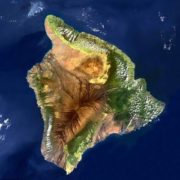
Big Islnad Sat View

A New Decade Ahead, Filled with Challenges for Hawaii and the World

Hawaii County leading the way on climate change

The state of Hawaii made some proud waves in 2015 by becoming the first in the nation to pass a law (HB 623) requiring 100 percent renewable electricity. This highly ambitious goal must be reached by 2045, providing almost thirty years for our transition away from fossil fuels and toward a sustainable future.

Ghg Simple Pic

The state’s mandate applies mostly to the electric utilities, HECO, MECO, HELCO and KIUC (Kauai’s electric co-op, which is now at times achieving 100% renewable electricity). Unfortunately, the first three utilities, all subsidiaries of Hawaiian Electric, Inc. (HEI), have been laggards in many ways and far from proactive in achieving the state mandate (heco-in-the-spotlight-part-2/).

This history means there is a strong role for counties to play in our climate future. Hawaii County is stepping up to the plate. Our nine-person County Council voted unanimously in September in favor of a County resolution declaring a climate emergency. Hawaii County joined a growing list of over 1,200 local governments around the world who have signed similar resolutions.

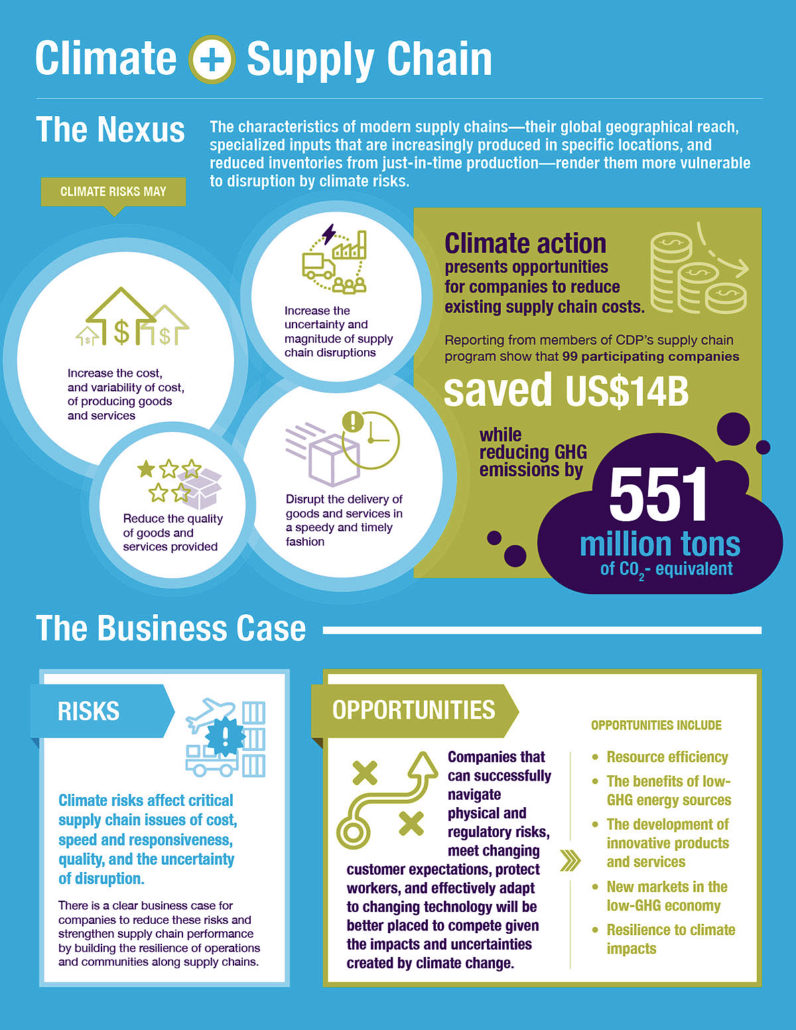
Hawaii County was the first county to take this kind of action in Hawaii (Maui passed a similar resolution in December). The unanimous vote came about largely due to the effective volunteer advocacy of the Hawaii Green New Deal Collaboration – and of course to visionary leadership on the County Council itself.Climate And Supply Change

We applaud the Council’s vote and see it as a major step in the right direction.

The Climate Emergency Resolution, Resolution 322-19, declares a climate emergency and the need for an “immediate just transition and emergency mobilization effort” to restore a safe climate.

It also declares the County’s intentions to do what can be done at the local level to mitigate climate change – the County government is the lowest level of government on the Big Island (excluding private organizations like homeowner associations) because there are no incorporated cities on the Big Island.

An emergency mindset means just that: we need to take immediate large-scale actions to reduce local emissions, and at the same time to create ways to cope with climate change through adaptation, and collaborate with other counties, states and nations in these actions.

The resolution contains some incredibly strong language, such as this passage spelling out what an emergency footing means:

“Restoring a safe and stable climate requires a whole-of-society Climate Mobilization at all levels of government, on a scale not seen since World War II, to reach zero greenhouse gas emissions across all sectors at emergency speed, to rapidly and safely draw down or remove all the excess carbon from the atmosphere and to implement measures to protect all people and species from the consequences of abrupt climate change…”

The resolution also states that the “County of Hawaii acknowledges that an existential climate emergency threatens humanity and the natural world.”

The resolution does not, however, require measures to directly reduce greenhouse gas emissions. Some critics may argue that this renders the resolution symbolic in nature.

This would not be a fair criticism because the resolution does require a number of actions that will lead us to emissions reductions and improved resilience, including creating a Hawaii Island Climate Action Plan, a Transportation Demand Management Program, a transition to “climate-smart agriculture,” and related actions that will help the County reduce emissions and enhance resiliency in the face of climate change and related weather disasters. The resolution also calls for improving food security by increasing local food production substantially.

Councilmember Matt Kanealii-Kleinfelter, a key supporter of the Climate Emergency Resolution, is now stepping up further by creating a Climate Action Plan Working Group that will begin its work in 2020.

The County has completed its first-ever greenhouse gas inventory and will be releasing it for public comment early next year.

There is growing optimism that the County can act quickly – with an appropriate emergency mindset – in creating a comprehensive Climate Action Plan and then implement that plan over time, as the resolution calls for.

While climate change is a global issue, local governments around the world are stepping up and showing that they can achieve serious collective actions to keep the most severe climate impacts from happening. We have a long way to go, but the County of Hawaii is demonstrating that it acknowledges the seriousness of an emerging climate crisis and is taking steps to address the challenge of transformation and preparedness.


Tam Hunt, renewable energy attorney and policy expert, Noel Morin, President of the Hawaii Electric Vehicle Association, and Bill Bugbee, Executive Editor and Publisher of BeyondKona.com.

Beyond Kona Climate Feed

Climate Reality Check for Hawaii Island’s County Council

“Scientific evidence for warming of the climate system is unequivocal…”.   Intergovernmental Panel on Climate Change

Chip Fletcher, UH (Manoa) professor of earth sciences visited the Big island this week to meet with the County Council — the meeting came be summed up as a real and live wake up call on the global and local impacts of an emerging Climate Crisis now underway, yes …Crisis.  this November, 11,000 scientists from across the globe declared a global Climate Crisis. Since the 1970’s, climate change awareness (and denial) has grown in the public mindset. You may know it by several names: Global Warming and Climate Change, and most recently, Global Heating (IPCC 2019 report), and now as a “Climate Crisis”.

In the words of Professor Fletcher, “the next few years will be most important in human history.” 

  • The last five years (2015-2019) have seen the five warmest Septembers on record.
  • Year-to-date global temperature (Jan-Sep) has been the second warmest on record.
  • Hawaii has also experienced record air and ocean temperatures this year.
  • Honolulu set 29 record highs. Lihue tied or broke record highs 20 days in a row.

Tying or breaking a record high temperature is impressive. Doing it several days in a row? Even more notable. But to do it 20 days in a row? That’s unheard of, but not this year in Hawaii.  The Aloha State just wrapped up probably its warmest summer ever, obliterating records left and right and over and over again. Hawaii is yet another location feeling the heat in an ever-increasing hot world.

From 1950 to 2018, only 14 nights failed to drop below 80 degrees. This year has featured 19 such nights. The combination of toasty daytime highs and even steamier nighttime lows has helped 2019 claim the top spot for having the hottest calendar day on record in Honolulu.  It’s not just a phenomenon local to Honolulu. In fact, of the four long-running climate sites spread along the Hawaiian archipelago, three of them saw their warmest summer on record, only Hilo, did not. Hilo did, however, experience its hottest August on record date, with a daily average of 80.1 F.

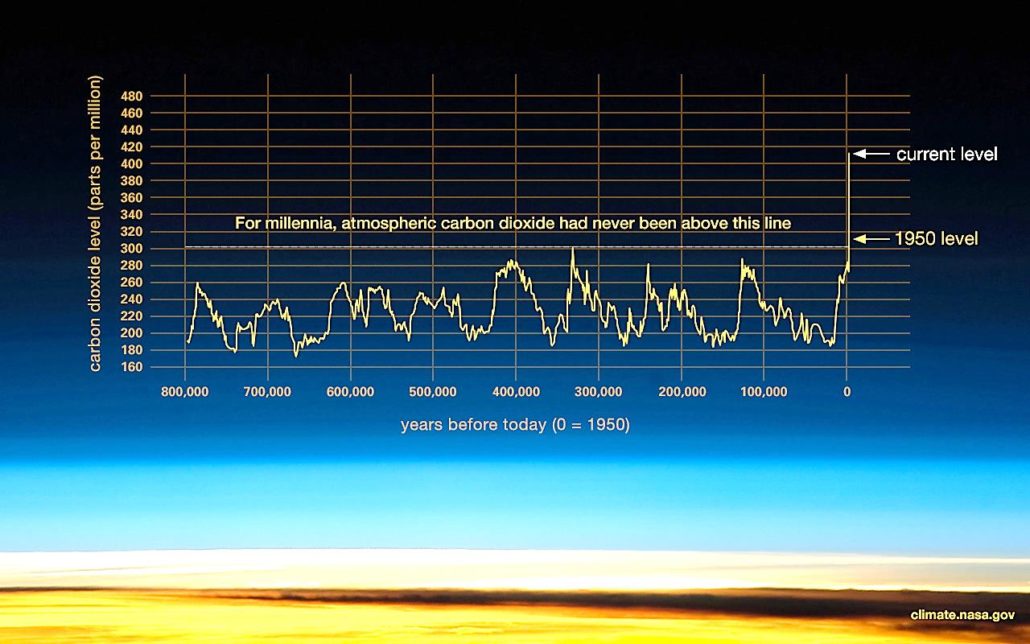
The primary heat-driver is humans, and our twisted  dependency on burning fossil fuels for energy.  The more we burn, the more we turn up Planet Earth’s thermostat, as we emit more and more carbon dioxide (CO2) and other greenhouse gas emissions which continue to build up in the Earth’s atmosphere and oceans.

Ignoring all the danger signs, and assuming we’re not responsible for our actions and planetary reactions or consequences is to …deny reality.

Co2 Graph

Climate Picture Graphic

There is more than enough data to convince anyone who brothers to take the time to become quickly educated on “the” issue of our time — one that is impacting current and future generations.

And if we can look beyond ourselves and to the world around us we will discover the cause & effect climate impacts of our actions, the price of our absence (on a global-scale) of acting on meaningful mitigation actions, and the results which is taking our planet on the path to what scientists now calling a “Sixth Extinction Event”.

Over the last half a billion years, there have been five (5) mass extinctions, when the diversity of life on Earth suddenly and dramatically contracted.  Scientists around the world are currently monitoring the Sixth Extinction, predicted to be the most devastating extinction event since the asteroid impact that wiped out the dinosaurs.

When the Hawaii County Council invited Professor Fletcher to provide an educational presentation on the developing Climate Crisis, it represented more than an opportunity to hear from Hawaii’s foremost expert on the subject, it was an important initial step by the County to learn about an issue bigger than Hawaii itself, one with significant social, economic, and environmental implications for all residents and the future of the state.

Super Storm

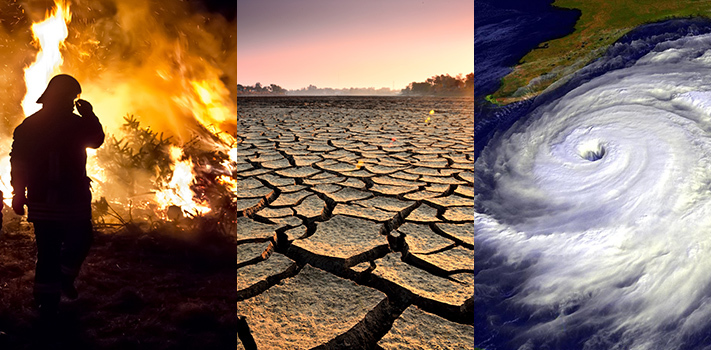
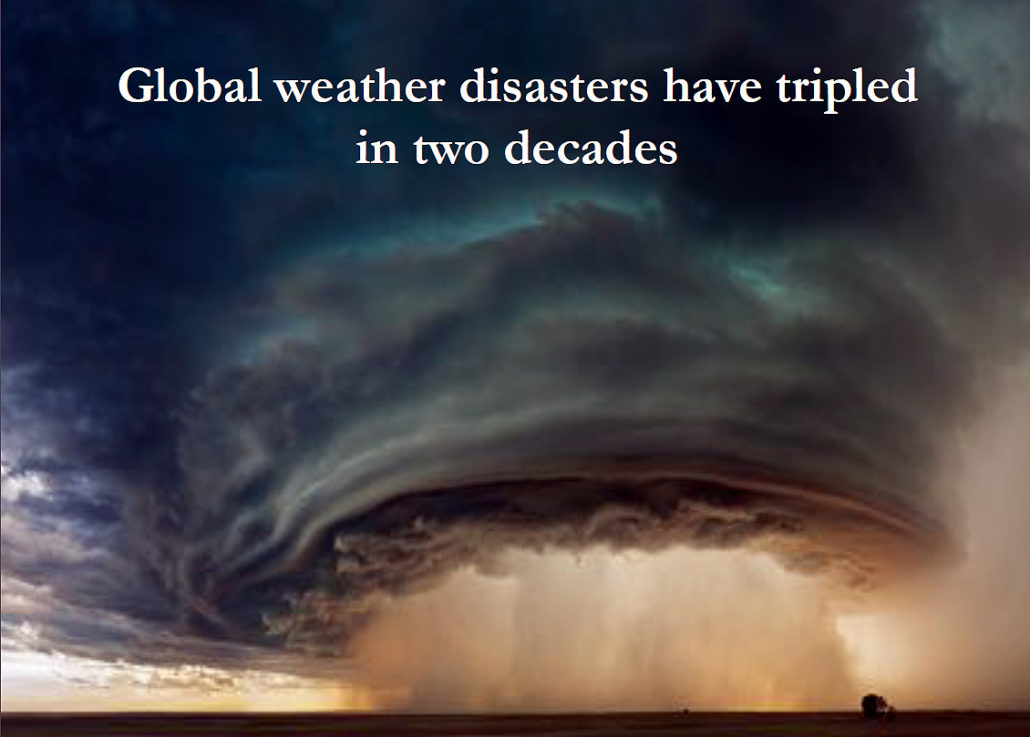
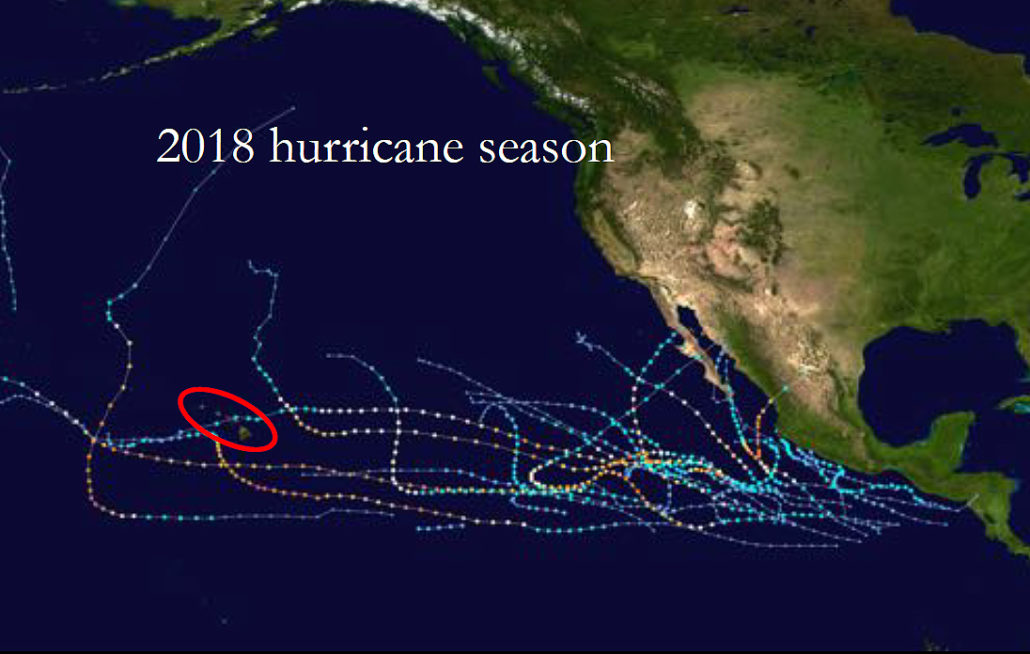
During Professor Fletcher’s presentation the Council learned of the new reality of super storms, rain bombs, flooding, increasing frequency of Cat 5 hurricanes, and the macro trends and consequences of rising sea levels and hotter temperatures; all among the threats Hawaii and the rest of the world are facing with today’s Climate Crisis.

2018 Hurrican Season

There may be a middle point on the doomsday climate clock between Professor Fletcher’s dire climate deadline 10 years left to act or else, and on the far side of reality where the mantra is ..don’t worry, be happy, deny the science — sponsored by the fossil fuel industry, its paid political agents, and its supply chain sycophants.

One aspect of the Climate Crisis is certain, Hawaii and its remote location is not immune to the effects of a heating planet.

On example now unfolding in real time: the State’s and County’s economy depends on tourism, and tourists don’t generally fly 6 hours to snorkel in fields of dead coral, look for missing reef fish, or swim from diminishing sand beaches, or even plan a vacation arrival in time to witness the aftermath of a super storm event.

Hawaii’s residents, and elements of the state’s real estate and insurance industry sectors, are paying attention with increasingly concerned as to how ill-prepared Counties and the State’s government are for the next super storm.  If recent climate-fueled super hurricane events are any example, Puerto Rico, Cuba, and the Bahama’s, as island states and communities they suffered extreme consequences from not being prepared for the new climate reality of super storm events.  Denying or ignoring a threat does not make it any less a threat.

What can Hawaii do?

First, we must address the state’s the current power, water, food, shelter infrastructure inadequacies when it comes to preparedness and post-event recovery.

BeyondKona.com will explore these problems, options, and solutions in forthcoming articles.

Copies of Professor Fletcher’s presentations available through your Hawaii County Council representative.

Subject related past BeyondKona.com articles include:

Addition information subject sources include, NASA’s web site:

https://climate.nasa.gov/evidence/?te=1&nl=climate-fwd:&emc=edit_clim_20191120?campaign_id=54&instance_id=13988&segment_id=18951&user_id=4b47fad2a3c7961f9505325da718f349&regi_id=8948860220191120

Attacks On Science 2

Attacks on Science and the Public Interest

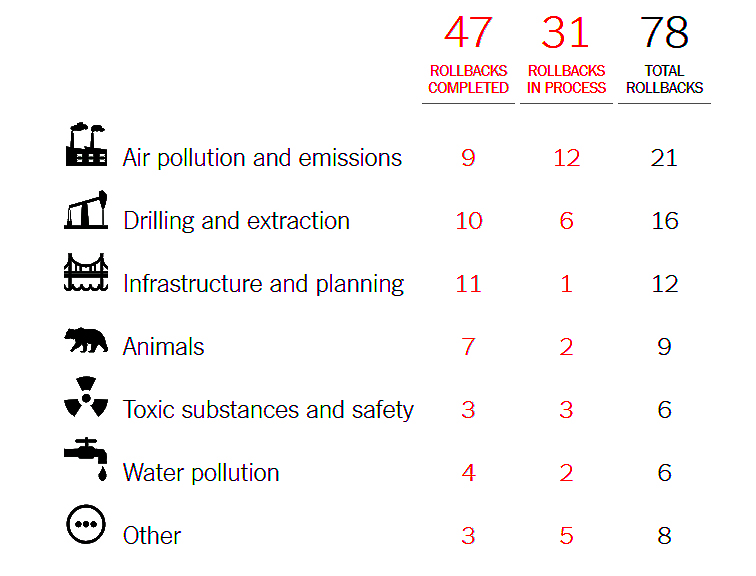
What happens when the inmates run the jail, or polluters decide the enforcement role of the Environmental Protection Agency, and fossil fuel and extraction interests now rule over Interior department actions and policies?   Welcome to the last 3 years.

Trump Regualtion Rollback And Protections 2

Has the EPA become the Environmental Pollution Agency?

The Trump administration is preparing to significantly limit the scientific and medical research that the government can use to determine public health and environmental regulations.  The overriding protests from scientists and physicians who say the new rule would undermine the scientific underpinnings of government policy and rule making have fallen on deaf ears…

The latest example of an escalating pattern of Federal agency attacks on science comes in the form of a EPA rule making proposal requiring that scientists disclose all of their raw data, including confidential medical records, before the EPA will consider an academic study’s conclusions in its regulatory rule-making and rule amendment processes.

This may sound wonky, but the intent of this EPA proposal is much more ominous in its reach and impact on current and future Federal environmental protections and enforcement actions designed to protect the public’s health, safety, and the environment.

At the heart of the new rule proposal, a policy change designed to make it more difficult to enact new clean air and water rules, because such studies justifying air and water protections detail links between pollution and disease rely on study-related personal health information gathered under confidentiality agreements.

And, unlike a version of the proposal that surfaced in early 2018, this one will retroactively apply to public health regulations already the law.

“This means the E.P.A. can justify rolling back rules or failing to update rules based on the best information to protect public health and the environment, which translates into more dirty air and more premature deaths,” according to Paul Billings, senior vice president with the American Lung Association.

Impacts will be far reaching

The Environmental Protections Agency, under the current administration, is seeking the authority to disregard science — scientific (taxpayer funded) studies designed to validate regulatory decision processes concerning public health protections. These are the very studies that determine if regulatory protections against smog in the air, mercury in water, lead in paint, and other well-established threats to human health will be subject to scientific-based decision processes, and not political considerations.

The proposed rule and policy change stipulates that all data and models used in studies under consideration at the E.P.A. would now have to be made available to the agency and the scientific findings, subject to internal EPA-led challenges from political and vested polluter interests.

Politically appointed and agenda-driven agency administrators now in charge of EPA and Interior departments will have wide-ranging discretion over which studies to accept or reject, regardless of the facts, scientific findings, and science-based recommendations designed to protect the public health and the environment.

Public health experts warned that many scientific studies used for decades that demonstrate, for example, mercury from power plants impairs brain development, lead in paint dust is tied to behavioral disorders in children — might be inadmissible when these existing regulations come up for renewal under the new rules.

At a meeting of the EPA’s independent science advisory board this summer, former coal lobbyist and industry attorney, now administrator of the EPA, Andrew  Wheeler, told scientists he was “shocked” at the overwhelming amount of public opposition to his anti-science proposal, and in any case, he was committed to finalizing it.

In the final analysis, politically-appointed leaders within the EPA have pushed aside the agency’s Science Advisory Board in an end-run to stop the EPA from fulfilling its mission. More than half of fourteen thousand plus EPA employees are engineers, scientists, and environmental protection specialists, essential to the agency core mission: …to protect human health and the environment. 

During his tenure, President Barack Obama authorized federal regulations (based on scientific findings and a consensus methodology with the industry sectors affected) aimed at reducing greenhouse gas (GHG) emissions and other pollutants from transportation (mileage-emissions standards) and electric power (aka the Clean Power Plan) sectors of the economy.  The GHG rules were based on scientific findings, environmental imperatives, and economic factors,  The newly established rules provided industry certainty and provided effective pathway for the regulated parties to compile with the EPA’s mission and national policy imperatives designed to address man-made global warming climate impacts to the environment and the public. Years of work, and millions research dollars were trashed, when without justification when the Trump Administration unilaterally rescinded the rules earlier this year.

Dismissing the cornerstone of the EPA’s climate policy, the Clean Power Plan, represented just one of several anti-science moves by the Trump administration’s full-court press to undo and weaken effective environmental protections and meaningful climate actions at the federal level.

Hawaii and the Feds

Hawaii may be located far from the Federal Beltway, but its reliance of Federal dollars, rules, public protections, and environmental oversight are a fact of life.

Science historically has been the foundation on which EPA policies have been based, and the determining element of EPA policy, regulations, and funding when applied to Hawaii and other states working towards compliance as states face a growing environmental and climate challenge — in short, scientific facts, findings, and recommendations  should trump politics in the determining and fulfilling the vital role of EPA.

How does EPA policy translate to Hawaii in different administrations?

Trump directed EPA (2019) actions for the state of Hawaii, so far have included:

  • Awarded Hawaii nearly $500,000 to Hawaii Department of Health to help reduce diesel emissions, ​
  • Postponed a mandated toxic industrial clean-up start date of Factory Street, in Oahu
  • Required Hawaii Island to enforce closures of 5 illegal cesspools,
  • Provided a small, but meaningful amount of money ($300,000) to Hawaii towards the development and implementation of  beach water quality monitoring and notification programs

Obama directed EPA (2016) actions for the state of Hawaii included:

  • The E.P.A. awarded Hawaii over $18.6 million funding to improve water quality, and protect public health. Specially, the U.S. Environmental Protection Agency awarded the Hawaii Department of Health a $10.3 million grant for the Clean Water State Revolving Fund and an additional $8.3 million grant for a Drinking Water State Revolving Fund for projects to renew water infrastructure.  The Department of Health provided low-cost loans to the counties to upgrade drinking water and wastewater facilities.
  • Also in Hawaii, Federal dollars were awarded and applied to wastewater treatment facilities for upgrading coastal facilities, and make to ensure greater energy and water efficiency.  Statewide, the total infrastructure needs for both clean water and drinking water are estimated at $3 billion.

Two Presidents, two EPA mission priorities for Hawaii.

One based on science and comprised of meaningful actions in the form of substantial investments ($18,600, 000) to protect Hawaii’s drinking water and incomparable coastal waters — the other $800,000 in mostly meaningless funding and mandates.


Ocean Heating Graph2

A Long Hot Summer is Over – Or Is It?

As the days wore on and spring became summer, Hawaii’s air temperatures stayed high, breaking daily records in the 90’s, island-by island, and across the state. Mid-October temperatures continue to set record highs, and the shorter solar days of fall have thus far mostly failed to fully delivery fall’s cooler temperatures — is this the new climate norm?

Hawaii’s higher temperatures are beginning to match what is happening in other climate regions around the world today.  Global higher temperatures, a by-product of rising global CO2 emissions, also delivered a devastating blow to Hawaii with a 2015 super-charged coral bleaching event that wiped out nearly 90% of West Hawaii’s coral (comprised primarily of the Pocilloporidae family) and created doubts as to if West Hawaii’s reef would ever recover.

Hopeful signs of some recovery were reported in a West Hawaii Today article last year.  It painted a highly optimistic outlook for coral recovery.  Divers and snorkelers reported sightings of “baby” coral sprouting up within areas of Hawaii Island’s reef system.

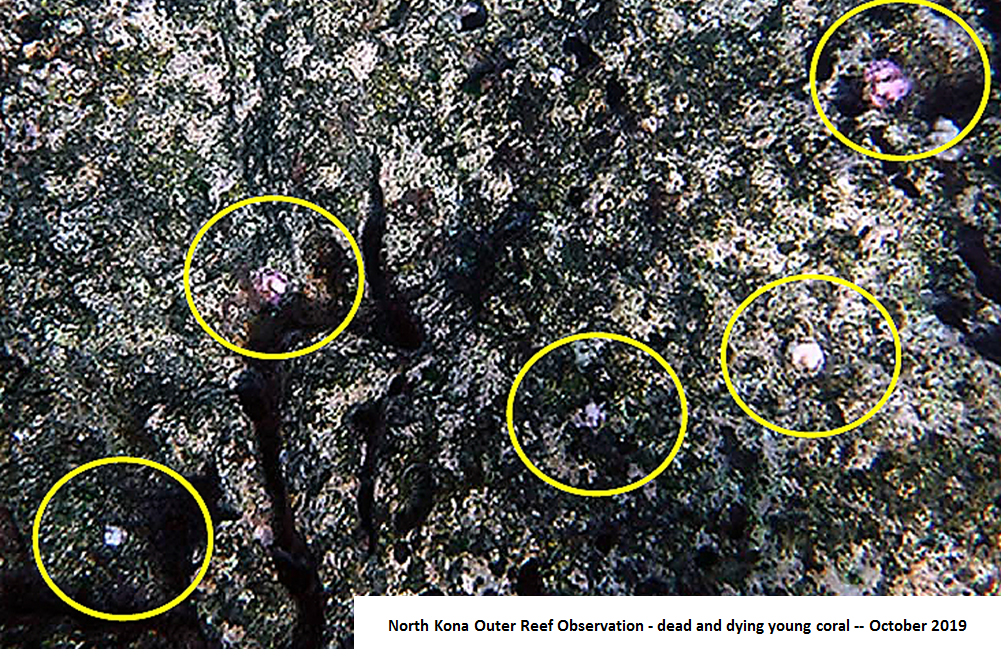
This spring, Hawaii’s waters resumed their seasonal heating.  This fall, preliminary observations of last year’s reported coral recovery were being replaced by an acknowledgement that “there are further signs of bleaching and coral death”, with the statements of a coral recovery now silent.  Young Coral Die Off North Kona

How are our local reefs fairing in these new higher temperature norms?

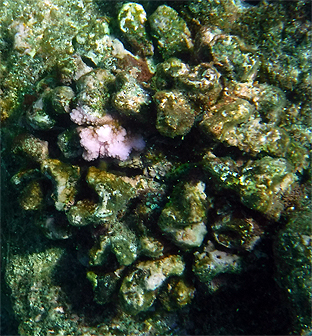
What has and is being observed in our local ocean are random and limited areas of new coral growth, once healthy, now being observed as baby coral turning an unnatural bright pink, and other young corals freshly bleach white – a total absence of color.

This fall (2019) researchers observed and recorded in the West the hardy Porites Lobata — the mostly survivable and heat tolerant coral, aka smooth yellow and purple corals, these too now are beginning to show signs of abnormal stress.

These are signs of a dead and dying coral reef — signs of the changes to a local marine environment that is worth more than all Hawaii Island’s west side hotels.

Overall, Earth’s oceans are becoming hotter, more acidic, and less oxygenated.

All these trends will continue through the end of the century, the IPCC (UN) reported.  For more than the past 150 years, and since the industrial revolution, concentrations of carbon dioxide (CO2) in the atmosphere have increased in sync with a growing global energy dependency on burning of fossil fuels.  Translated, we humans created a climate heating problem for local and global fisheries and marine ecosystems, and we are ignoring the opportunities to course-correct at our own peril.

The ocean absorbs about 30 percent of all CO2 released into the atmosphere, and as levels of atmospheric CO2 increase so does the water level of the ocean.  With oceans absorbing about 22 million tonnes of carbon dioxide from the atmosphere a day, seas have already become warmer and 30 per cent more acidic over the past two centuries.

Ocean acidification is affecting the entire world’s oceans, including coastal estuaries and waterways. Many economies are dependent on fish and shellfish and people worldwide rely on food from the ocean as their primary source of protein — NOAA.)  Changes in ocean chemistry is affecting the behavior of non-calcifying organisms. Certain fish’s ability to detect predators is decreased in more acidic waters. When these organisms are at risk, the entire food web may also be at risk.

Shell-forming creatures from oysters to types of plankton are increasingly at risk from the changes, which have been called the “evil twin” – acidification combined with  higher temperatures from climate change. Carbonate ions are an important building block of structures such as sea shells and coral skeletons. Decreases in carbonate ions can make building and maintaining shells and other calcium carbonate structures difficult for calcifying organisms such as oysters, clams, sea urchins, shallow water corals, deep sea corals, and calcareous plankton.

The climate crisis now unfolding in the world’s oceans and ice caps with outcomes is something we humans are only beginning to understand; e.g., melting permafrost venting massive amounts of methane, the acidification of ocean water, dwindling marine life at all levels, and last, but certainly not least, water temperatures on the rise are generating more intense storms with more costly storm surge impacts.  These rapidly developing cause and effect impacts no longer afford us all the luxury to deny, ignore, or forestall meaningful and needed corrective actions.

Hawaii we will find itself staring down a Cat 5 Hurricane in the not too distant future, and we are presently ill prepared for the consequences. But far worse is the need for urgent action to address the source-problem, significantly reducing and then eliminating global fossil fuel emissions (here, there, and everywhere).

A 2019 report from the Intergovernmental Panel on Climate Change (IPCC and its 193 member nations) concluded that “all people on Earth depend directly or indirectly on the ocean” (a fact we are most familiar with here in Hawaii), and that ice caps and glaciers regulate the climate and provide water and oxygen.

The IPCC report also finds unprecedented and dangerous changes being driven by global warming (heating), with sea level rise and coral bleaching at the top of the cause and effect list.

In fact sea level rise is no longer relegated to a future prediction but is now happening.   The sea level around Hilo Bay, Hawaii, has risen by 10 inches since 1950. Its speed of rise has accelerated over the last ten years and it’s now rising by about 1 inch every 4 years… (sea level is measured every 6 minutes using equipment like satellites, floating buoys off the coast, and tidal gauges to accurately measure the local sea level as it accelerates and changes).

Extreme sea level events that used to occur once a century will strike every year on many coasts within the next 20-30 years, no matter whether climate heating (fossil fuel) emissions are curbed or not, according the world’s scientists. We are now on the track of mitigation and preparedness, and not the full reversal of the global warming impacts already in the pipeline.

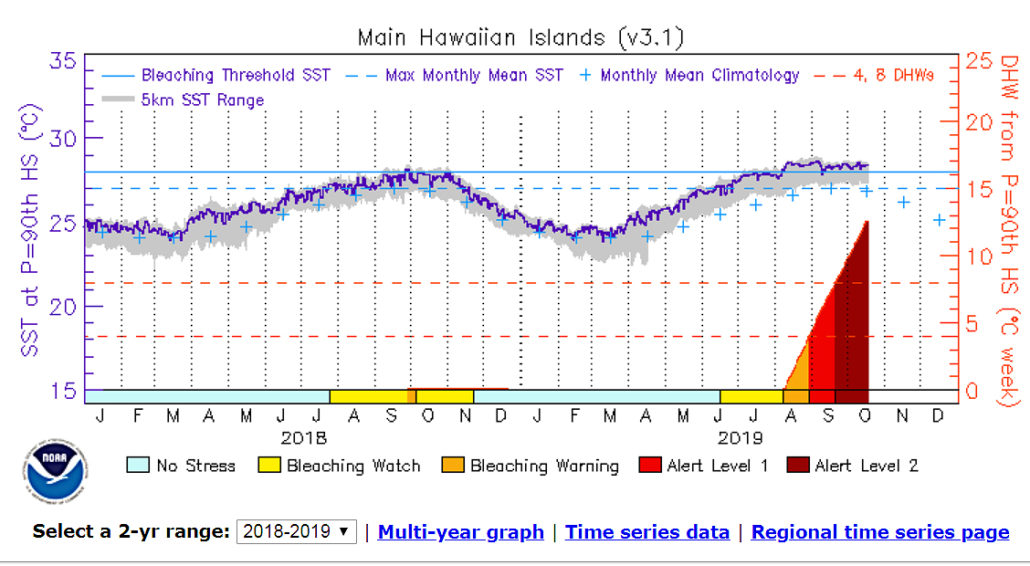
CORAL BLEACHING TRENDS IMPACTING HAWAII’S MAIN ISLANDS

Noaa 2018 19 Coral Bleaching Graph

A general scientific consensus concludes: “The current biological annihilation obviously will have serious ecological, economic and social consequences. Humanity will eventually pay a very high price for the decimation of the only assemblage of life that we know of in the universe.”

The IPCC climate data on sea level rise, projects a worst case scenario of more than 13 feet (4 meters)rise.  An outcome that would redraw the map of the world and harm billions of people and our island state residents, economy, and environment which are now in the cross-hairs of an emerging climate crisis.

Far worse than these state-wide signs of warming impacts, would be to ignore, deny, or just talk story empty political platitudes.   All of the world’s scientific validation and warnings are useless if we fail to act meaningfully, and fail to effectively address what scientists are calling our current path to the “sixth global extinction”.

//////////////////////////

THREE BIG IDEAS

FOR LAND USE THAT COULD TURN THE CLIMATE TIDE

“Land provides the principal basis for human livelihoods and well-being, including the supply of food, freshwater and multiple other ecosystem services, as well as biodiversity.”

https://www.climaterealityproject.org/blog/three-big-ideas-land-use-could-turn-climate-tide


No Planet B Sign

Global Strike for Climate Action

Starting today, all over the world, millions of people, young and old alike, will be walking out of their workplaces, schools and homes in solidarity with young people who have been striking for climate justice for over a year.

Once in a generation comes a leader like no other

When it comes to the global threat to the earth’s ecosystems and its inhabitants, including humans, today’s Climate Crisis can no longer be denied or ignored.  No one makes the case better for global and immediate action than Greta Thunberg.

Greta Thunberg (16 years old) sailed to New York in her father’s emissions-free sail boat to give her Climate speech before the UN, September 2019. She was widely quoted and highly edited in the media, and her short message to the entire UN assembly was, in a word, powerful.

But it was Greta’s previous presentation at R20 World Summit earlier the same year that told of a more complex and complete truth-telling of today’s Climate Crisis.   In clear-eyed and nonsense way, Greta left global leaders standing on their feet applauding.  As time runs out — her message to world leaders is clear enough, pick your Climate action priorities, but act now!

A symbol and effective spokesperson for this public upraising and global strike, Greta has galvanized the youth of the world – an inspiration to us all… Greta

As a key witnesses testifying earlier this week before a joint hearing of two House committees on the “global climate crisis”, the 16-year-old Swede had a simple message for American lawmakers: Do something.

Instead of planning a lengthy opening statement to start the hearing, Greta Thunberg simply offered a copy of the 2018 global warming report by the Intergovernmental Panel on Climate Change that emphasizes the dire threat that human-caused global warming poses, along with the climate and economic impacts.

“I am submitting this report as my testimony because I don’t want you to listen to me,” Thunberg told lawmakers. “I want you to listen to the scientists. And I want you to unite behind the science. And then I want you to take real action.”

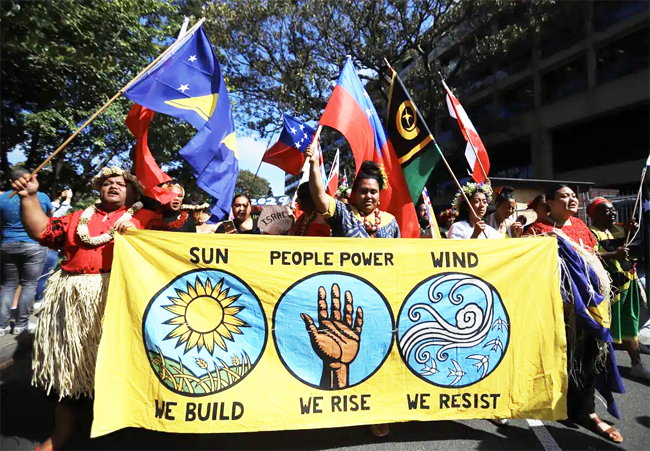
Greta’s message has not been lost of Hawaii’s residents who will have an opportunity to participate in multi-island strike for climate actions across our state beginning today on Kauai, Oahu, Maui, and Hawaii Island, and continuing through this weekend.   


Climate Protest 2

Hawaii Island climate strike events scheduled for this weekend to include:

WAIMEACLIMATE STRIKE ACTIVITIES  

Today – Friday, Sept 20th,  4-6pm  — Church Row corner of Mamalahoa Hwy and Church Road

North Hawaii Action Network, Maddie Turner, madeleinegail@gmail.com


HILO – CLIMATE STRIKE  ACTIVITIES  
Friday, September 20, 2019  3:00 PM — Kamehameha Statue, 780 Kamehameha Ave,  Hilo, HI 96727

Today – Friday Sept 20: Official Strike Week Kickoff – 3pm-6pm Official Strike / Solidarity Signwaving by King Kamehameha Statue – Pu’uhonua Pu’uhuluhulu Climate and Oiwi Justice Talks – Mauna Kea

Saturday Sept 21: Honokaa Peace Day Parade Climate Contingent 10am-12 Wear Green and bring fossil free transport (bikes, skateboards etc)

Malama Äina Day – a day dedicated to caring for the land with Native and Beneficial Tree Planting 10am – RSVP by emailing pohahaikalani@gmail.com – Pu’uhonua Pu’uhuluhulu Climate and Oiwi Justice Talks – Mauna Kea

Sunday Sept 22: Honokaa Hamakua Harvest 5yr celebration 9-2pm Special Climate Emergency/Green New Deal Talk Story at 1pm

Malama Äina day with PÅ’Ä’Ä I Ka Lani (with Surfrider and Sea Cleaners), caring for the land with Native and Beneficial Tree Planting 10am – till pau, meet at Koa’ekea (Waipi’o Lookout) bring sunscreen, hats, water, snacks and aloha.

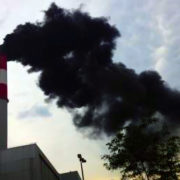
Dirty Power Plant Emissions

Hu Honua 2019 – burning trees for power – Update

The Hu Honua saga continues…

As BeyondKona reported last October in Hawai’i Today (https://www.beyondkona.com/trick-or-treat-a-hu-honua-decision-halloween-2018/), HELCO’s decision to buy power, and thus enable, the controversial (yet to be activated) tree destroying and wood-burning Hu Honua power plant is one example of Hawai’i Island being on the wrong path in its transition to clean energy.

Hu Honua is based on a state-sanctioned renewable energy loophole which allows for wood-burning biomass power plants. Not all biomass projects are created equal, it’s just that Hu Honua is a really bad example of the controversy surrounding biomass energy.

In short, Hu Honua is bad for Hawaii’s environment, bad for ratepayers, and bad for HELCO which has at its disposal far superior and cost effective zero-emissions power options which are available today — options which won’t add to global warming emissions, produce or emit pollution by-products; as is the case with the Hu Honua power plant.

The Hu Honua is a one of kind power plant project for Hawai’i Island.  The kind you would expect to find in marginally developed areas of the world with limited power options, not certainly not Hawai’i rich in sun and wind energy, and energy storage options.

The public subsidy of biomass facilities is neither sustainable, green, nor cost-effective.

In the case of the Hu Honua Bioenergy facility, burning trees for power is not only unnecessary, it’s just wrong-headed and poses health and environmental threats to area residents of Hawai’i Island from airborne pollutants and GHG biomass emissions.

The HELCO – HuHonua partnership was a bad deal from the start;  for both HELCO ratepayers and Hawaii’s taxpayers while carrying with it an unnecessary high environmental price tag for energy.  Hu Honua originally planned to secure a $100,000,000 Federal tax credit, in addition to Hawai’i state subsidies.  Although federal Production Tax Credit (PTC) and Investment Tax Credit (ITC) for Biomass Projects expired, the Internal Revenue Service has a Safe Harbor program for biomass projects under construction, which may be applicable to Hu Honua, if they ever become operational.

Fast forward today, the state PUC has been forced, through public interest legal action to re-open its earlier Hu Honua Bioenergy facility approval decision, which did not consider the absence of a required environmental review and full consideration in the PUC – Hu Honua approval decision.  In this case, it allowed the applicant (Hu Honua) to shift their environmental impact reporting responsibility to other state agencies that were scheduled to review the project only after the PUC approval.

Process, and the order in which review and decision processes occur can significantly effect the outcome of matters of public interest as is case with Hu Honua’s future.  There are many considerations, as the public discovered after the original PUC approval decision, beyond the simple fact that Hu Honua does not burn fossil fuel to produce power on behalf of Hawai’i Island’s ratepayers…

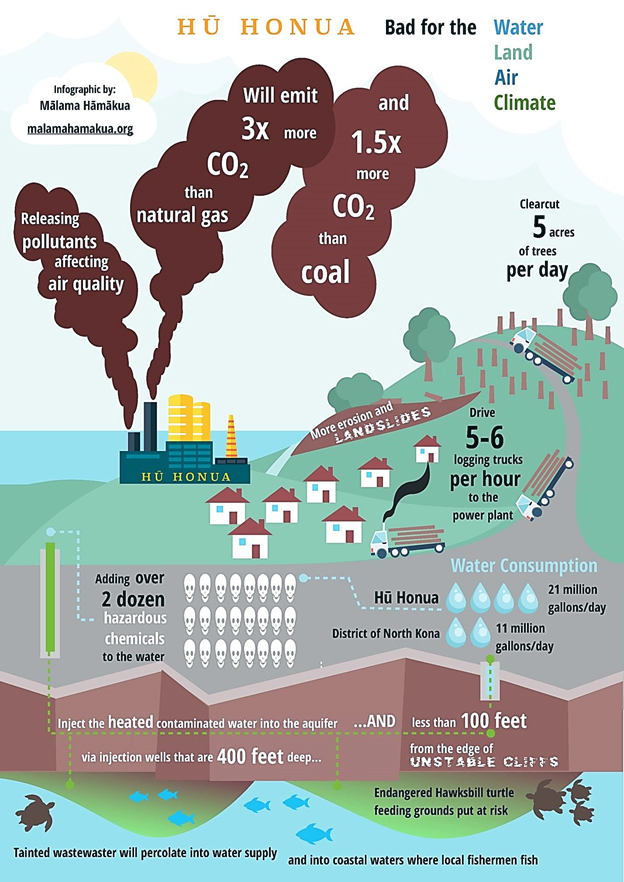
A Picture is Worth a Thousand Words

We could go much deeper in making our case why HuHonua is bad for Hawai’i Island, but the following graphic says it all…

Hu Honua Graph In Total

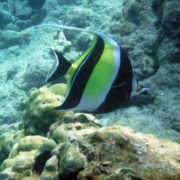
Morrish Idol Mk Reef

Sustainability is Mauō 

Sustainability — more than just a word

The Hawaiian word for sustainability is mauō is made up of two basic words; mau, stability, unbroken continuity, and ō, enduring.   This new Hawaiian word was coined by the Hawaiian Lexicon Committee in 2016, because previously there was no need for the word mauō as it was a normal part of Hawaiian life.

Sustainability in Hawaii is a term that is bandied about with great relish, and there is no shortage of talk story on the subject.  It seems like every governmental agency and non-profit, from the Hawaiian Tourism Authority, to Department of Land and Natural Resources (DLNR), to big name developers like A&B have used this euphemism as a way of supplanting serious public conversations about living in balance with nature, and the essential role it plays beyond resource extraction and consumption.

In the words of political ecologist Paul Hawken, “The dirty secret of environmentalism is that ‘sustainability’ is an insufficient objective.”

In a world overtaken by the certainty of global warming, ‘sustainability,’ even when taken a step beyond lip service, can no longer be taken seriously.

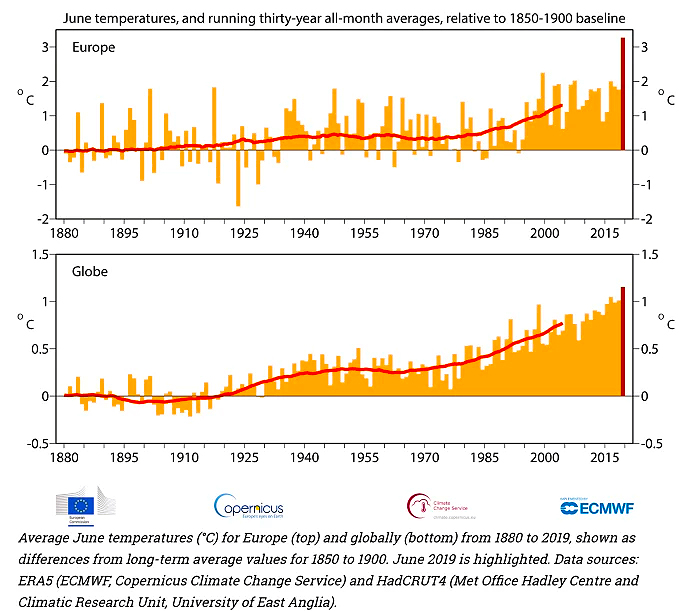
From Alaska to Europe, the world has spent the past few weeks roasting under temperatures never before seen in recorded history.  Alaska has hit all-time-high record temperatures according to the National Weather Service.Euro Gw Chart1

Meanwhile, hot winds blowing north from the Sahara have been sending temperatures in Europe to soar to record highs.

It was Europe’s record three-degree temperature spike this past week  that brought global temperatures to their recorded-history highs.

Hawai’i, like the rest of the world has been overtaken by the certainty of global warming and its consequences.

So when we speak about ‘sustainability,’ even when taken a step beyond lip service, can the meaning and purpose of sustainability continue to be taken seriously?

To Fish or Not to Fish, the Question is Bigger Than That

Six months ago it was widely reported that many reefs in West Hawai’i, previously devastated by a major 2015 bleaching event have stabilized, and as reported at the time was the “first step toward recovery.”  Beyond the happy headlines, the same researchers noted that much remains to be done in the region with more frequent and severe bleaching events anticipated in the future – an understatement at best.

Recent observations of the reef system between North Kona and South Kohala indicated that some baby coral recovery sighting from earlier this year are now showing signs of stress and bleaching.

Stabilization is often associated with sustainability, as in things are bad, but relax, they won’t get worse. As if this was a cause for celebration.  Perhaps, when 90% of Cauliflower coral, once the state’s most abundant shallow water species, is nearly wiped out during a 2015 bleaching event, and then there still hope that tomorrow will bring recovery. New Coral Bleaching 2019

“Some bleaching in the environment is considered normal, but it has been happening more and more often,” said NOAA officials who announced last week to update this summer a survey of Hawaii’s ocean floors, which have not been updated since the 1940s.

In the local community there is always hope that Hawaii’s reef system will recover, and soon. But the bland assertions of DLNR (Dept. of Land and Natural Resources) when it relates specifically to this precious and fragile marine environment and resource is another matter when it comes to Hawaii Island’s ‘aquarium trade’ – in effect a for-free business model of reef wildlife collection for profit.

The adopted DLNR lexicon of ‘sustainability’; “sustainable catch”, “sustainable collection”, are the agency’s catchall terms used to define what has become the ultimate defense of disputed harvest numbers and unseen resource extraction practices of Hawaii’s reef fish. All together it has proven to be a meaningless set of terms designed for public consumption, not regulation.  It’s no wonder that DLNR’s management policies have proven to be impossible to enforce — perhaps that was their intent all along.  All the while the aquarium ‘trade’ operators continue to assure the public and the politicians that they are doing just fine by ‘self-regulating’.

The state could undertake practices to enable sustainability of Hawaii’s reef marine environment, but this will require political leadership so far that has been lacking in the meaningful development of sustainability policies ahead of status quo considerations.  Instead, from the Governor, legislators, and county mayors, there is void that needs to be filled and without delay.  It is a need for general reform and focus on the preservation and complex restoration of one of the state’s irreplaceable assets, a healthy marine environment throughout Hawaii’s island chain.

For DNLR, such a statewide commitment would easily agency exceed the Agency’s half-measures and incomplete actions that generally translate in limited and isolated fishing moratoriums. Instead, what is required for 21st century environmental challenges of a global magnitude are global solutions, e.g., Paris Climate Accord, Food and Agriculture Organization of the United Nations Committee of Fisheries, International Whaling Commission, and the Intergovernmental Conference (IGC) — the first of a series of four negotiating sessions through 2020 in the development of a new legally-binding treaty to protect marine biodiversity in areas beyond national jurisdiction, commonly known as the high seas.

But local problems require also local action. In the case of the future of Hawaii’s reef system, fishing will eventually be limited or fish losses will solve any on going problems with extinctions.

If restoration measures are to succeed, DLNR will be need to move beyond saving isolated reef spaces, and instead, engage in a holistic conservation and recovery strategy that connects the dots between coral and reef fish. DLNR must also develop an independent and science-based strategy that addresses the multiple stressors of warming temperatures, rising sea levels, sea water acidification, marine food chain disruptions, and focus on addressing the needs of Hawaii’s diverse ecosystems and species.

Merely skirting tipping points to extinction, while invoking the magical word of ‘sustainability’, will no longer cut it.  So let’s imagine a new magic word: abundance or as the Hawaiians termed it “’aina monoma”…


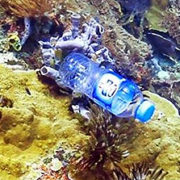
Plastic Reef Bottle

Our Oceans are Drowning in Plastic

While Ocean drownings continue to be one of the leading causes of death in Hawai’i, the Pacific Ocean is also drowning… in plastic.

More than 11 billion items of plastic were found on a third of coral reefs surveyed in the Asia-Pacific region – and this figure is predicted to increase to more than 15 billion by just 2025.  Plastic contamination raises the risk of disease outbreaks on coral reefs by 20-fold, according to research..

“Plastic is one of the biggest threats to the ocean environment at the moment, I would say, apart from climate change,” said Dr Joleah Lamb of Cornell University in Ithaca, US.

“It’s sad how many pieces of plastic there are in the coral reefs …if we can start targeting those big polluters of plastic, hopefully we can start reducing the amount that is going on to these reefs.”

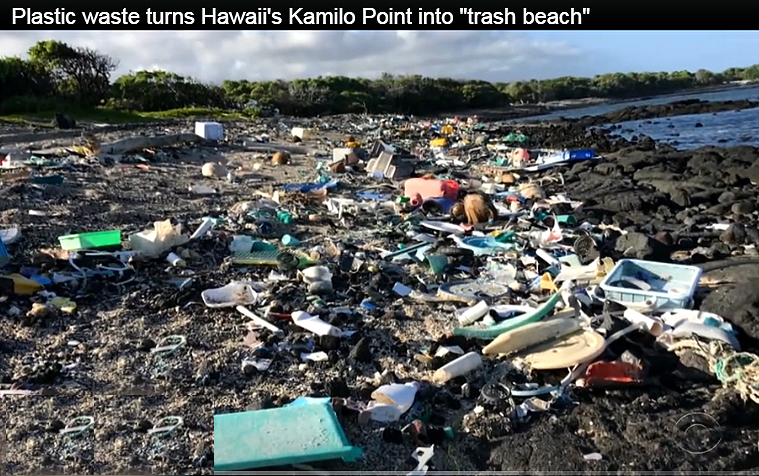
Plastic Beach TrashPlastic bags, bottles, plastic fishing gear and numerous other plastic containers are among the common items found floating in the ocean between Hawaii and West Coast and commonly associated with the so-called floating island or Great Garage Patch.
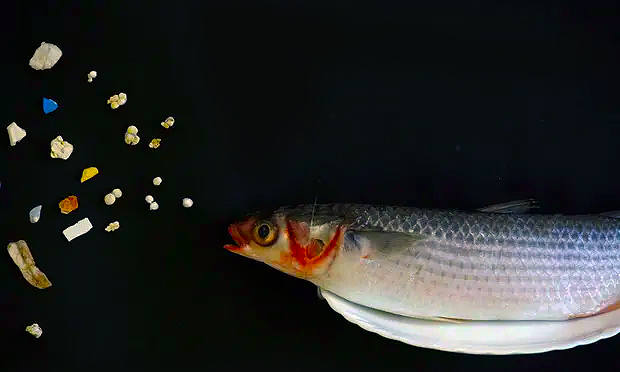
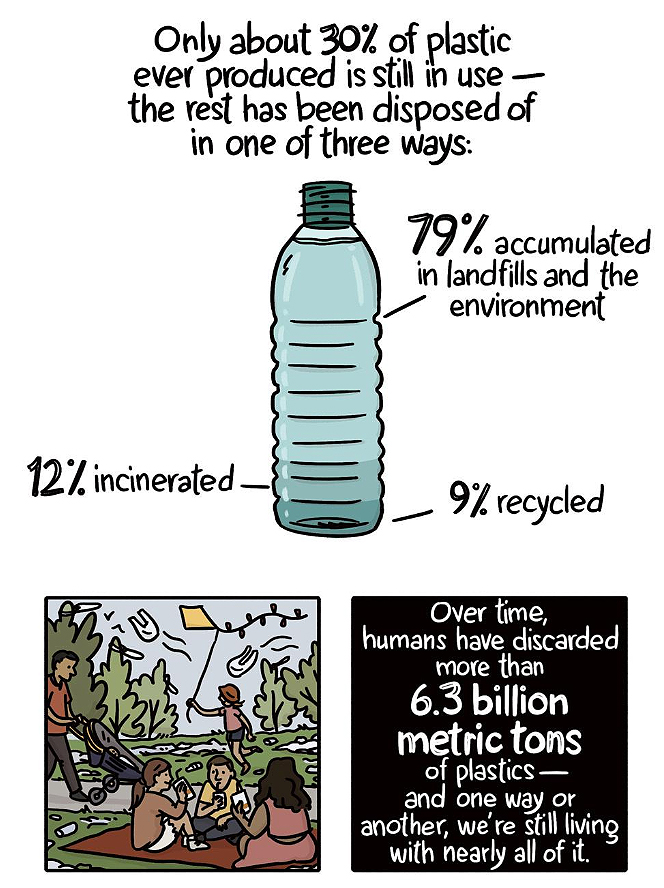
What is less obvious and not seen are microplastics particles, the tiny fragments left over when larger plastics break down. Most remarkably, the highest concentrations of microplastics were found between 650-1,000ft depth – four times more plastic than was found in samples at the surface. That’s on par, or higher, with quantities found at the surface of the Great Pacific Garbage Patch.

Last month a study was done in Monterey Bay, a marine sanctuary and haven for sea life including whales, otters and sharks. “We did not expect to find this much pollution at these depths,” says Kyle Van Houtan, chief scientist at the Monterey Bay Aquarium, who co-authored the new paper. The implication: microplastics could be widespread – even concentrated – in the deep ocean around the world. “This is making us realize that the problem is far more extensive than we thought, and not constrained to the surface of the ocean.”

The Deep Blue

The prevalence of ocean pollution makes it more or less a certainty that every part of every island will be impacted by consumer plastics and marine debris to one degree or another. If what you can’t see can’t harm or help you, this may explain the public perception of the deep ocean as a far-off alien world is at odds with reality and ignores how much human society can affect it. “We rely on what happens on the deep sea every day,” says Choy. “It provides a lot of commerce, substance and protein, and it makes us think about how our day-to-day habits and activities impact the deep ocean.”

Anela Choy, is a biological oceanographer, and has been noticing something odd while studying the diets of tuna and other deep-diving fish. Though they lived at average depths of 1,000 feet, their stomachs routinely contained bottle caps, trash bags, and light sticks. “It was so strange,” says Choy, who works at the Scripps Institution of Oceanography at the University of California, San Diego. “We were seeing recognizable pieces of human society.”

Microplastic pollution has been found on almost every part of the planet, but the scientists say this is the first rigorous study of microplastics distribution at varying ocean depths. Plastic was thought to stick to the surface; Choy wanted to examine everything from the surface to the ocean floor (known as the “water column”) and see how the concentration of plastic changed as animals traveled up and down.

Plastic Pollution

Scientists carried out their research using unmanned submarines, and sampled water at two locations and at depths ranging from five to 1,000 meters. They also sampled two marine species – pelagic red crabs and giant larvaceans (tadpole-like creatures) – both of which are filter-feeders that move from the surface to the deep on a daily migration.

Microplastics were present in all the specimens’ digestive tracts. Most of it was PET, the type found in single-use bottles and food containers. Researchers also concluded that plastic particles had been in the ocean for a long time, and that the majority came from land sources rather than fishing gear.

Small animals such as those sampled, as well as ocean water patterns, may be part of the reason that buoyant plastic is reaching such depths, explains Choy. “There can be physical mechanisms like vertical mixing, wind, waves and biological mechanisms like an animal eating plastic at the surface and pooping it out at depth.” Meanwhile, the buildup of bacteria or tiny creatures on the plastic itself changes its buoyancy and weighs it down.

As animals move up and down, they circulate materials around the ocean. “The greatest migrations in Earth are not birds to the tropics,” says Van Houtan. “The largest are the vertical migrations in the ocean, as creatures travel up and down the water column, to the deep and back. That’s why we should be concerned about these findings.”

A Precious Resource not limited to Hawai’i

As an island population, Hawaii is part of the more than 275 million people who rely on coral reefs for food, coastal protection, tourism income, and cultural importance.

Beyond plastic pollution, coral reefs face many threats, including ongoing coral bleaching caused by global warming of the oceans and changes to the water chemistry due to CO2 loading into world’s oceans.  As a result, coral polyps loose algae from their tissues, which drains them of their color, something witnessed in Hawaii’s local reef system.

Coral may recover when climate-driven fluctuations heat and then cool water temperatures, but so far  coral recovery for some of West Hawaii’s reef system since the last major bleaching event of 2015 has been sporadic or too selective to indicate a wide scale recovery – which would be reversed within short time period of time with further warming which has already documented this summer. The trend towards warmer and warmer water and air temperatures is not encouraging for coral recovery  in what is normally a process measured in decades.

The waters off West Hawaii are no exception and are not exempt from dangerous pollutants, but plastics pose a much greater threat to the marine food chain.  Hawaii state officials, boat captains and residents have all noticed an apparent uptick in marine plastics and debris ranging from derelict fishing and cargo nets to consumer plastics all in West Hawaii waters.

Long-time commercial fisherman, claim that plastics and other trash are more or less constant 20-40 miles offshore. Where he’s noticed the increase in debris is at 1,000 fathoms, where nets are the primary problem, and what local fishermen referred to as the Ono Lane, located roughly 40-50 fathoms out from the shoreline.

Carried by the currents, the problematic presence of excess debris both in the water and on the shoreline has plagued Hawaii Island’s entire leeward coast.

In the study, published in the journal Science, international researchers surveyed more than 150 reefs from four countries in the Asia-Pacific region between 2011 and 2014.Plastic Pollution Graph Plastic was found on one-third of the coral reefs surveyed. Reefs near Indonesia were loaded with most plastic, while Australian reefs showed the lowest concentration. Thailand and Myanmar were in the middle.
Scientists have found in their studies big rice sacks or draping plastic bags smothering coral and especially corals with a lot of complexity like branches and finger-like corals that are eight times more likely to be entangled in these types of plastics. It’s thought that plastic advances diseases that prey on the marine invertebrates that enable coral reefs to flourish. Branching or finger-like forms of corals are most likely to get entangled in plastic debris.  These are important habitats for fish and fisheries, the scientists say.

In the case of diseases, organisms attack coral, leading to likely death. Previous research has found that plastic debris can stress coral through blocking out light and oxygen, thereby giving pathogens a chance to take hold.

Based on projections of plastic waste going into the ocean, the researchers suggest that the number of plastic items snagged on Asia-Pacific corals may increase from 11.1 billion to 15.7 billion plastic items by 2025.

More than three-quarters of this plastic is thought to originate on land, and so, the ocean is full of fish, and more recently in course of human history… garbage.


What to do with all that Plastic, look to India…

Big Island Banner Pic

Hawaii’s Endangered Coral Reefs Add Value

Coral Reefs Provide Flood Protection Worth $1.8 Billion Annually — Key Reasons Hawai’i Must Protect This State Asset

For anyone who visits or lives in Hawai’i, and who dives or snorkels Hawaii’s various island reefs, it’s obvious the reef has been in trouble for some time.   This has been especially true since the supercharged El Nino climate event of 2015-16, which hit the islands hard and precipitated a major coral die-off.  By some estimates, there now is a 90% loss of coral — especially hard hit is Hawaii Island’s west shoreline.

The once robust and dominant reef cover of Hawaii’s brain coral is now mostly dead, but with some recently reported isolated signs of minor recovery.<

2019 – outer reef wall off of Kakapa Bay, Hawaii Island

A new UN report released this week, compiled by hundreds of scientists from 50 countries, concluded that the Earth is losing species faster than at any other time in human history.  And, thanks to climate change, coastal development and the impacts of activities such as logging, farming and fishing, roughly 1 million plants and animals are now facing extinction.  The UN report calls for rapid action at every level, from local-to-global, to conserve nature and use these finite resources sustainably.

The report’s good news is that many ecosystems now at risk can (should) be protected, preserved, and can become sustainable contributors to the local economies dependent on these natural assets.

The biggest obstacle to investing in natural infrastructure, such as wetlands and reefs, is that experts until now have not figured out how to value the protection that these habitats provide in economic terms. But a new report published by the USGS addresses that problem by focusing on Hawaii’s and the planet’s most bio diverse ecosystems: coral reefs.

This USGS report shows that coral reefs in U.S. waters, from Florida and the Caribbean to Hawaii and Guam, provide our country with more than $1.8 billion dollars in flood protection benefits every year. They reduce direct flood damages to public and private property worth more than $800 million annually, and help avert other costs to lives and livelihoods worth an additional $1 billion. Valuing reef assets and their benefits to society is the first step towards mobilizing resources to protect them.

USGS estimates the value of reefs in terms of flood protection, but the agency fails to consider the environmental values and the economies of scale which are derived from Hawaii’s marine assets — more specifically, Hawaii’s tourism, fishing, and near shore marine food supply. 
Califlower Death Widespread Shallow Reef To Open Ocean]

Breaking Waves and Blocking Floods

In 2017, tropical storms alone did over $265 billion in damage across the nation.

Reefs act like submerged breakwaters. They “break” the force of waves and drain away their energy offshore, before flooding coastal properties and communities.

Man-made defenses, such as sea walls, can damage adjoining habitats and harm species that rely on them. In contrast, healthy reefs enhance their surroundings by protecting shorelines and supporting fisheries and recreation, from diving to surfing.

The flood protection benefits that reefs provide across the U.S. are similar to those in more than 60 other nations. In a separate study, Nature Communications reports that the global cost of storm damage to the world’s coastlines would double without reefs.

Local Flood Protection Value

USGS employed a study model of more than 60 years of hourly wave data for all U.S. states and territories with reefs — a total area of over 1,900 miles — we developed flood risk maps projecting the extent and depth of flooding that would occur across many storms, both regular and catastrophic, with reefs present and then without them. They calculated these values in grid cells that measured just 100 square meters, or about 1,000 square feet — the footprint of a small house.

They also overlaid flood risk maps employing the latest information from the U.S. Census Bureau and the Federal Emergency Management Agency to identify people and properties at risk — and benefiting from the presence of reefs — in each location.

It is well known that coral reefs are under heavy stress from climate change, which is warming oceans, causing coral bleaching. Pollution and over-fishing are also doing serious damage.

As the UN report on biodiversity loss notes, Earth has lost approximately half of its live coral reef cover since the 1870s. And that trend leaves 100-300 million people in coastal areas at increased risk due to loss of coastal habitat protection.

The USGS report was also able to identified economic benefits reef systems provide. For example, Florida receives more than $675 million in annual flood protection from reefs, and Puerto Rico gets $183 million in protection yearly.

In Honolulu alone, USGS found that the local reef provides more than $435 million in protection from a catastrophic 1-in-50-year storm.

Investing in Natural Defenses

First, applying Federal disaster recovery funding to proactively address natural coastal defenses.

Nationally, after Hurricane Sandy in 2012, only about 1% of recovery funding went toward rebuilding natural resilience, despite subsequent research showing that marshes in the Northeast can reduce flood damages by some 16% annually.

More than $100 billion has been appropriated to recover from hurricanes Harvey, Maria and Irma. It certainly would make economic sense for the Federal government to become proactive in addressing climate change impacts and by not only recognizing, but spending on rebuilding protective reef systems.

In a promising move, the Federal Emergency Management Agency has created opportunities to include ecosystem services such as flood protection and fishery production in official benefit to cost analysis calculations to support flood mitigation funding.

Second, the Insurance Industry is an important economic stakeholder in offering incentives and supporting investments in nature-based defenses for risk reduction.
Insurers have warned that climate change could make insurance coverage unaffordable for ordinary people after the world’s largest reinsurance firm blamed global warming for $24 billion of losses in California’s devastating 2018 wildfires.

“The insurance sector is concerned that continuing global increases in temperature could make it increasingly difficult to offer the affordable financial protection that people deserve, and that modern society requires to function properly,” …Nicolas Jeanmart, the head of macroeconomics at Insurance Europe, an association representing Europe’s major insurers.

Insurers are starting to consider coastal habitats in industry risk models and to create opportunities to insure nature. Thus reefs could be re-built if they are damaged in storms or even restored now based on their proven flood protection (i.e., premium saving) benefits.

Third, Federal Government agencies have incentives to invest in reefs as protection for critical infrastructure. Reefs defend military bases located along tropical coastlines, as well as shore-hugging roads that are the lifeblood of many economies from Hawaii to Florida and Puerto Rico.

The Army Corps of Engineers is making more use of natural solutions to minimize flood risks, a sometimes controversial undertaking here in Hawai’i.  The U.S. Department of Transportation is analyzing ways to protect coastal highways with nature-based solutions, such as marsh restoration.

Clearly, we have a locally-connected global challenge in Climate Change.  Ignoring that challenge is a luxury we can no longer afford. Just talking about it without affirmative steps towards addressing the core problems of pollution, over-consumption, and the absence of stewardship when ti comes to managing and living in the natural world.

Like so many other climate change impacts now underway, it will take consensus building and a whole community effort — with participatory partnerships of government, private sector, and private citizens in order to make a much needed difference.